
The Psychology of Luck
Casinos are designed to play on human psychology, particularly the belief in luck. From the moment players step inside, they are surrounded by sounds, colors, and lights that stimulate their senses and create an atmosphere of excitement. The belief in luck is deeply ingrained in many cultures, and casinos leverage this by suggesting that winning is just around the corner. This psychological approach makes players feel as though their outcome is a matter of fate, which can enhance their gambling experience and lead to increased playtime, especially when they explore bitcoin sportsbooks that offer unique betting opportunities.
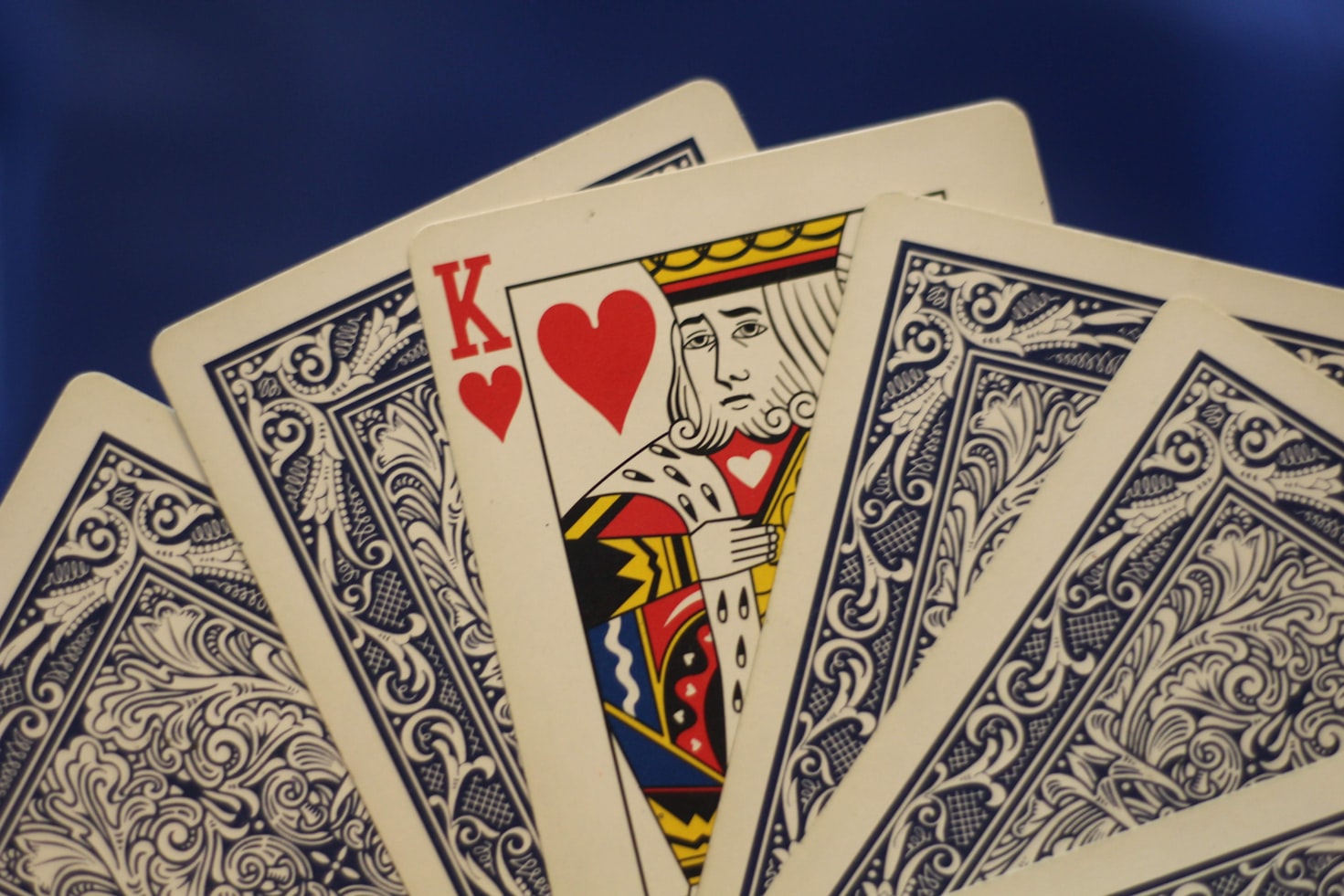
Many gamblers experience cognitive biases that skew their perceptions of random events. For instance, the “gambler’s fallacy” can lead individuals to believe that past losses will influence future outcomes, making them more likely to continue playing in the hopes of experiencing a win. This is cleverly exploited by casinos, which often encourage players to chase their losses. By reinforcing the idea that luck is waiting to turn in their favor, casinos create a compelling environment that encourages continued patronage.
Additionally, casinos utilize various marketing strategies that reinforce the illusion of luck. Promotions that spotlight winning players, such as jackpot winners or high-stakes game participants, can amplify the belief that luck is attainable. These success stories are strategically shared through social media and advertising, creating aspiration among potential players. By celebrating these instances, casinos nurture an environment where players feel hopeful about their own chances, perpetuating the notion that they too can achieve similar luck.
The Role of Design and Environment
The physical layout and design of a casino play a critical role in cultivating the illusion of luck. Most casinos are designed without windows and clocks, which disorient players and make them lose track of time. This intentional design choice keeps players engaged for longer periods, increasing their likelihood of spending more money. When players are absorbed in the moment, they become less aware of external factors that could detract from their perceived sense of luck.
Moreover, the color schemes and lighting in casinos are meticulously crafted to evoke certain emotional responses. Bright, flashing lights often accompany slot machines to create an exhilarating atmosphere, while softer, more intimate settings may be found around table games where players can engage in social interactions. This strategic use of ambiance fosters a sense of excitement and encourages players to feel lucky while they are actively participating in games.
Furthermore, the arrangement of games promotes an illusion of accessibility to winning opportunities. By placing high payout machines near entrances or popular attractions, casinos draw players in with the promise of potential luck. Once players engage with these games, the sounds of winnings—like coins clattering or celebratory music—reinforce the idea that patrons can indeed experience a lucky break. This design philosophy works in tandem with the gambling experience, enhancing the overall allure of the casino environment.
The Influence of Game Mechanics
Game mechanics play a significant role in shaping the perception of luck among players. Slot machines, for instance, are designed to be thrilling and fast-paced, with catchy sounds and visual effects that heighten excitement. The randomness of the gameplay creates an illusion of unpredictability, where players believe each spin has an equal chance of delivering a big win. This unpredictability is key in reinforcing the belief that luck is a pivotal factor in determining the outcome.
Additionally, the concept of near misses is a common characteristic in many casino games. When players come close to winning—seeing two symbols align but missing the third—this phenomenon triggers a psychological response that is often interpreted as being ‘just lucky enough’ to almost win. Casinos capitalize on this by ensuring that these near misses keep players engaged, as they feel a heightened sense of expectation with each play. The design of these mechanics effectively maintains the illusion that luck is constantly within reach.
The use of player tracking programs also plays into this illusion. By monitoring individual player behavior, casinos can tailor promotional offers that enhance the perceived experience of luck. Rewards, free spins, or bonus credits given based on players’ history can create a personalized gambling experience that makes individuals feel special or lucky. This strategic approach reinforces player loyalty and keeps them coming back, as they feel their luck is being recognized and rewarded.
The Power of Social Proof
Social proof is a powerful influencer in the casino environment, as it can significantly shape an individual’s belief in luck. When players witness others winning, either at slot machines or table games, it can evoke a sense of shared excitement that enhances their perception of the casino as a lucky place. This phenomenon can not only motivate individuals to try their luck but can also create an environment of collective optimism, where everyone feels that a win could happen at any moment.
Casinos often encourage this phenomenon through various features, such as live game broadcasts or showcasing recent winners on screens throughout the establishment. When players see others celebrating wins, it boosts their confidence and belief that luck is within reach for them as well. This social model can lead players to believe that they are part of a community where the prospects of winning are heightened.
Furthermore, the interactions between players themselves can enhance the illusion of luck. Engaging in conversations and sharing experiences—such as recounting past wins or discussing strategies—creates a sense of camaraderie that reinforces the belief that luck is a shared experience. This social aspect of gambling can be psychologically advantageous for casinos, as it fosters an environment where players feel encouraged to take risks, further perpetuating the illusion of luck.
Final Thoughts on Casinos and Luck
Understanding how casinos create the illusion of luck sheds light on the intricate strategies employed to enhance the gaming experience. The combination of psychological manipulation, environmental design, game mechanics, and social dynamics work cohesively to create an atmosphere where players feel a sense of potential and excitement. By effectively weaving these elements together, casinos maintain a continuous appeal to players eager to try their luck.
As players navigate their gambling experiences, it is essential to remain aware of these tactics and the underlying psychological factors at play. While the thrill of gambling can be enticing, recognizing the design and strategies that create the illusion of luck can empower individuals to make more informed decisions about their gaming activities. Ultimately, understanding the complex interplay of luck, strategy, and human psychology can enhance the overall gambling experience.
In conclusion, fostering an awareness of how casinos shape the illusion of luck can enrich both the entertainment value and the critical perspective of gambling. As the gaming landscape continues to evolve, so too will the strategies employed by casinos to maintain the allure of luck in gaming. Understanding these dynamics can lead to a more enjoyable and responsible gaming experience for all players involved.
