
Exploring the evolution of casinos A journey through time
The Origins of Gambling and Early Casinos
The history of gambling can be traced back thousands of years, with evidence suggesting that games of chance were played in ancient civilizations such as China, Egypt, and Rome. These early forms of gambling often involved dice and simple betting mechanisms, laying the groundwork for the complex systems we see today. The first documented casino is believed to have been the Ridotto, established in Venice in 1638, which offered a controlled environment for football betting sites gambling, setting a precedent for future establishments.
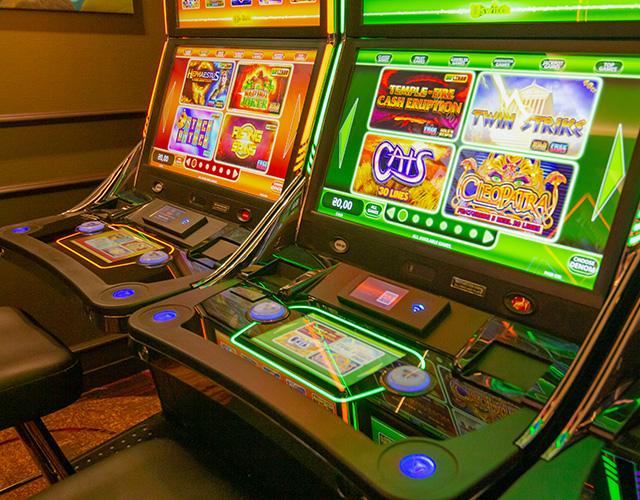
These early casinos were not just places to gamble; they also served as social hubs where people gathered for entertainment. The atmosphere was often vibrant, filled with music, dancing, and, of course, the excitement of games like baccarat and poker. This blend of social interaction and chance attracted a wide range of patrons, from the wealthy elite to everyday citizens, thereby paving the way for the more inclusive gambling environments we witness today.
As gambling spread across Europe and beyond, various countries began establishing their own casinos, each with unique rules and games. The allure of gambling and the potential for wealth creation led to the proliferation of these establishments, transforming them into significant economic contributors. The cultural impact of these early casinos can still be felt today, as they have inspired countless films, books, and societal attitudes towards gambling.
The Golden Age of Casinos in the 20th Century
The 20th century marked a pivotal period in the evolution of casinos, characterized by the rise of Las Vegas as the gambling capital of the world. Following the legalization of gambling in Nevada in 1931, the city transformed from a quiet desert town into a bustling metropolis filled with extravagant casinos. Iconic establishments such as the Flamingo and the Sands Hotel showcased lavish designs and entertainment, attracting tourists and high rollers alike.
During this golden age, casinos began to diversify their offerings, introducing a wide array of games, luxury accommodations, and high-end dining experiences. This shift not only broadened the appeal of casinos but also set a new standard for entertainment and hospitality. The concept of the integrated resort emerged, where gambling was just one of many attractions, further blurring the lines between casinos and tourism.
The rise of the casino industry in the 20th century also coincided with significant changes in societal attitudes towards gambling. Once viewed with skepticism, casinos began to gain acceptance as legitimate sources of entertainment and revenue. This acceptance paved the way for other regions, including Atlantic City and Monte Carlo, to develop their own casino scenes, each adding to the global tapestry of gambling culture.
The Rise of Online Casinos
The advent of the internet in the late 20th century revolutionized the gambling industry, leading to the emergence of online casinos. The first online gambling site was launched in 1994, providing players with unprecedented access to their favorite games from the comfort of their homes. This innovation significantly changed the landscape of gambling, making it more accessible to a broader audience.
Online casinos offered players the flexibility to gamble at any time and from anywhere, a stark contrast to the traditional casino experience. The ability to play games such as poker, blackjack, and slots online attracted not only seasoned gamblers but also newcomers curious about the thrill of betting. Furthermore, advancements in technology led to the development of live dealer games, where players could interact with real dealers via video streaming, replicating the live casino experience.
As online gambling gained popularity, various jurisdictions began to regulate the industry, ensuring fair play and consumer protection. This regulatory framework fostered a sense of trust among players and contributed to the steady growth of the online casino market. Today, millions of players engage with online casinos, highlighting the significant shift in how gambling is perceived and experienced in the modern age.
The Modern Casino Experience
The contemporary casino experience has evolved significantly, combining cutting-edge technology with an emphasis on customer experience. Modern casinos are designed to provide immersive environments, featuring stunning architecture, intricate designs, and a plethora of entertainment options. Gamers can now enjoy a variety of games, from traditional table games to innovative slot machines equipped with advanced graphics and themes.
Additionally, the integration of mobile technology has transformed how players interact with casinos. Many establishments now offer mobile apps that allow users to place bets, access promotions, and even play games directly from their smartphones. This adaptability caters to the evolving preferences of a younger generation, who value convenience and immediacy in their entertainment choices.
The modern casino experience also places a strong emphasis on responsible gambling. Many casinos implement programs to promote safe gambling practices and support players who may be struggling with addiction. This commitment to player welfare is essential in maintaining a positive reputation and ensuring the sustainability of the gambling industry.

Conclusion: A Legacy of Change
As we explore the evolution of casinos, it becomes evident that they have transformed dramatically over time. From humble beginnings in ancient civilizations to the opulence of modern establishments, casinos have adapted to societal changes and technological advancements. The future of casinos promises further innovations, particularly with the rise of virtual reality and blockchain technology, which could redefine the gambling experience once again.
This journey through time illustrates not only the historical significance of casinos but also their enduring appeal as a source of entertainment. As more people embrace gambling as a fun and recreational activity, the industry will continue to flourish, shaping cultural narratives around chance, luck, and personal agency. Casinos have undoubtedly become a mainstay in the global entertainment landscape, and their evolution is a testament to our changing relationship with gambling.