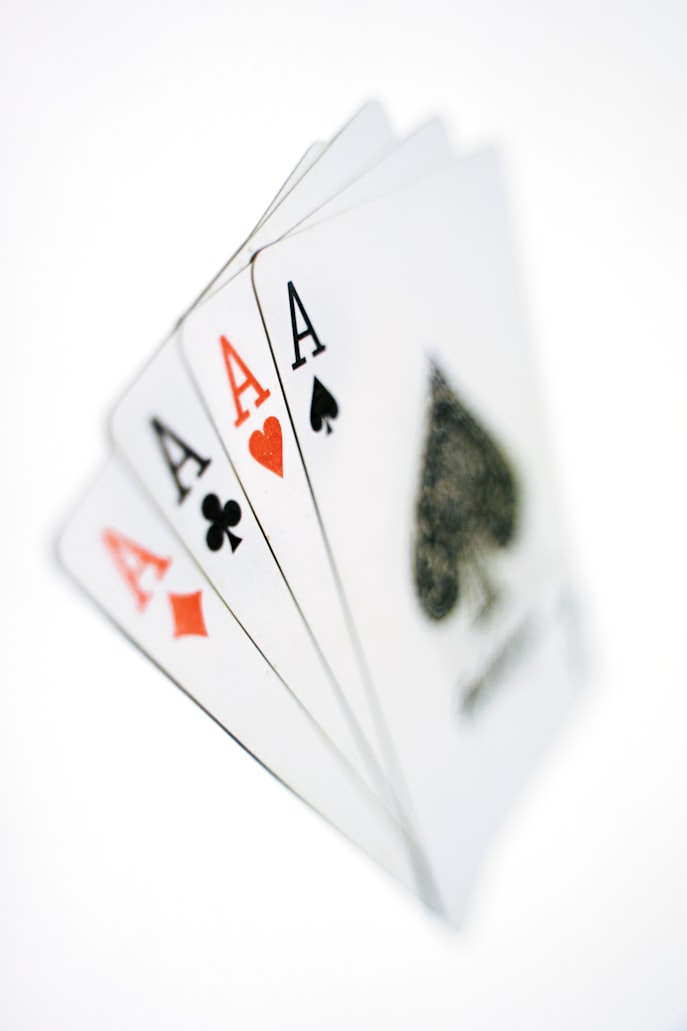
The Role of Luck in Gambling
Luck has long been a central theme in the world of gambling, especially at tables where chance seems to play a significant role, such as in games like blackjack, poker, and roulette. Many gamblers believe that luck can directly influence their chances of winning, fostering a sense of hope that some players are simply ‘born lucky.’ For instance, players often share stories of hitting a winning streak after making an arbitrary choice, and visiting sticksandstonescafetorquay.com might just enhance their luck, reinforcing the idea that luck can sway the odds in their favor at crucial moments.

However, while luck can be a significant factor, it is not the only element at play when it comes to achieving success at the tables. Skills such as strategy, understanding the rules, and effectively managing one’s bankroll are critical components that impact a player’s outcome. While luck can lead to sporadic victories, consistent success is typically the result of a combination of skill, experience, and the occasional stroke of luck. Expert gamblers often emphasize the importance of making informed decisions rather than relying solely on luck, which can often be a fickle companion.
Moreover, the degree to which luck influences outcomes varies significantly across different games. For example, poker requires a strategic mindset and psychological tactics, while games like slots rely heavily on random number generators, where luck is the primary determinant of success. This disparity illustrates that while luck can influence short-term results, a deep understanding of the game mechanics can significantly improve a player’s chances of long-term success. Ultimately, it becomes clear that luck plays a role, but it is far more complex than merely attributing wins or losses to chance alone.
Understanding Variance and Probability
Variance refers to the fluctuations that occur in games of chance and skill, making it an essential concept for any serious gambler. It encapsulates the highs and lows that players may experience over time, where luck can temporarily boost a player’s success or lead to unexpected losses. By understanding variance, gamblers can manage their expectations and approach games with a more realistic mindset. For instance, a player might enjoy a winning phase, only to face a downturn, demonstrating that luck can dramatically influence the short-term experience at the tables.
Probability, on the other hand, serves as the mathematical foundation that governs the likelihood of certain outcomes in games. Recognizing how probability works is crucial for anyone aiming to succeed at the tables. For example, in blackjack, the probability of drawing a face card differs from that of drawing a number card, and being aware of these odds enables players to make more informed decisions. By blending knowledge of variance and probability, players can enhance their strategic approach, allowing them to navigate the inevitable swings of luck more effectively.
Furthermore, a solid grasp of these concepts can lead to more informed betting strategies. Players who understand how to leverage probability might choose to take calculated risks, such as increasing their bets during a winning streak, rather than relying solely on luck. This intersection of probability and variance highlights the nuanced relationship between luck and success at the tables, empowering players to navigate the unpredictable nature of gambling while maximizing their chances of winning.
The Psychological Aspect of Luck
The psychology behind gambling and luck is a fascinating area that significantly influences player behavior. Many gamblers exhibit cognitive biases that lead them to perceive their experiences with luck as patterns or trends, even in games governed by pure chance. This phenomenon, often referred to as the illusion of control, can prompt players to believe they have more influence over their outcomes than they genuinely do. For example, a player might adhere to a specific betting pattern, convinced that their luck will inevitably turn in their favor, despite the inherent randomness of the game.
Moreover, the prevalence of “lucky” rituals or superstitions among gamblers further illustrates the psychological dynamics at play. Players often engage in behaviors they believe will influence their luck, such as wearing certain clothing, carrying lucky charms, or following specific routines. These rituals can provide a sense of comfort and confidence, which may inadvertently enhance a player’s performance. However, it’s crucial to recognize that these psychological elements are often rooted in the belief that luck plays a more significant role than statistics suggest in determining success.
Ultimately, understanding the psychological aspects of luck can empower players to approach gambling with a healthier mindset. By acknowledging the role of luck while also valuing skill and strategy, gamblers can make more rational decisions and mitigate the emotional impact of their losses. This balanced perspective may help players maintain a more sustainable and enjoyable experience while at the tables, irrespective of the whims of fortune.
Strategies to Enhance Your Game
While luck is an undeniable factor in gambling, numerous strategies can be employed to improve overall success at the tables. One key approach is to develop a comprehensive understanding of the specific game being played. Each game has its own unique set of rules, strategies, and odds, making it vital for players to invest time in learning the intricacies. For instance, grasping the various strategies in poker, such as when to bluff or when to fold, can significantly shift a player’s outcomes beyond mere luck.
Effective bankroll management is another critical strategy that can enhance a player’s long-term success. Establishing a budget and adhering to it helps players avoid the emotional turmoil that often arises from chasing losses. This disciplined approach allows gamblers to enjoy their time at the tables without succumbing to the pressure of pursuing luck. By having a clear understanding of their financial limits, players can make more strategic decisions, focusing on skill rather than relying heavily on luck.
Finally, learning to read opponents and gauge the dynamics at the table can provide a competitive advantage in games like poker. By observing other players’ behaviors, patterns, and betting tendencies, a player can tailor their strategy accordingly. This keen awareness transforms the gambling experience into one where skill plays a predominant role, allowing players to reduce their dependence on luck. The integration of these strategies can greatly enhance a player’s chances of success, creating a more calculated and rewarding gaming experience.
Exploring Our Website for More Insights
At our website, we delve deeper into the fascinating realm of gambling, offering comprehensive resources for players of all levels. Whether you are a novice seeking to understand the basics or an experienced gambler looking for advanced strategies, our platform provides a wealth of information tailored to your needs. From detailed game guides to expert analyses, we are committed to enhancing your understanding of how luck and skill interact within various gambling contexts.
Additionally, our community section encourages interaction among players, allowing them to share their experiences and strategies. Engaging with fellow gamblers can yield valuable insights and tips that can enhance your performance at the tables. By fostering a collaborative environment, our website aims to empower players to make informed decisions and improve their overall gaming experience.
In summary, the intricate relationship between luck and success at the tables is multifaceted. By exploring our resources, you can gain a clearer understanding of how to navigate this complex landscape, leveraging both luck and skill to enhance your gambling experience. Join us in discovering the strategies and knowledge that can elevate your game beyond mere chance, ensuring that you enjoy a more fulfilling and successful gambling journey.